
A repainting project can address coating deterioration, facility presentation and a brand transition. Those are different objectives, and they need different evidence. The return on a painting project cannot be established from a new color alone. Start with the property’s condition, define the work and record the assumptions behind the business case.
Separate the reasons for spending
- Protective maintenance: preparation and coating work intended to address exposed or deteriorating surfaces.
- Presentation: a cleaner, more consistent appearance at walls, doors and offices.
- Rebranding: changing the property’s colors after an acquisition or portfolio standardization.
- Operational coordination: phasing work alongside other necessary improvements.
One project may serve several objectives. Record them separately so the owner can judge whether the scope is appropriate even if a financial uplift cannot be attributed to painting. Deferred maintenance is a condition to investigate, not proof of a particular future repair bill.
Establish a baseline before work begins
Collect dated condition photographs, maintenance records, tenant-access concerns and the approved color schedule. Record any business metrics the owner intends to observe, along with the period and source. Changes in rents, occupancy or leads can have many causes, including market conditions, pricing, advertising and management. Keep those influences visible rather than claim that repainting caused every change.
Build the complete cost comparison
Request proposals with comparable surfaces and preparation. Include repair dependencies, cleaning, corrosion treatment where appropriate, coating systems, equipment access, tenant coordination, color samples and completion review. Identify exclusions and contingencies. Comparing the lowest headline price with a more complete scope is not a useful investment comparison.
For each option, record the quoted cost, the condition it addresses, what remains untreated, the scheduling assumptions and any expected follow-up maintenance. Use actual estimates for the property. A portfolio budget should retain site-level information, even where several locations are purchased as one program.
Choose Colors With the Next Replacement Door in Mind
A proprietary custom color can create a future maintenance cost that is easy to overlook. If one roll-up door is damaged, the replacement supplier may not offer that color as a factory finish. Repainting a single door could then require a separate contractor mobilization.
SFPS recommends manufacturer-aligned colors that allow owners to investigate compatible factory-finished replacement doors or panels at the outset. That choice may reduce future mobilization expenses and simplify repairs, but it is not a promised saving or an exact-match guarantee. Appearance can differ with aging, fading, substrate, sheen and production batches; factory and field coating chemistry may also differ. Door suppliers handle replacement, while SFPS coordinates the painting specification and finish planning.
Your paint specification should make the next repair easier—not more expensive. Evaluate that practical benefit as one part of the maintenance cost comparison, without assigning an unsupported ROI percentage.
Use a calculation only when its inputs are supportable
If the owner has defensible, attributable financial benefits, a simple project-return calculation is: (attributable financial benefits before project cost − total project cost) ÷ total project cost. Define the attributable benefits before subtracting the painting cost, use the complete project cost, and state the measurement period and the limitations of attribution. If benefits have not been measured, leave the return uncalculated and evaluate condition, scope and budget priorities directly. A spreadsheet should not turn an assumption into a fact.
Review scenarios rather than advertise a percentage
Compare a scoped repaint now, a phased approach and a later project using the owner’s actual estimates and repair findings. Document what each scenario leaves unresolved. Avoid arbitrary rent increases, guaranteed occupancy gains, fixed valuation uplifts or a promised payback period. A color refresh does not establish a property valuation.
Keep project evidence separate from financial evidence
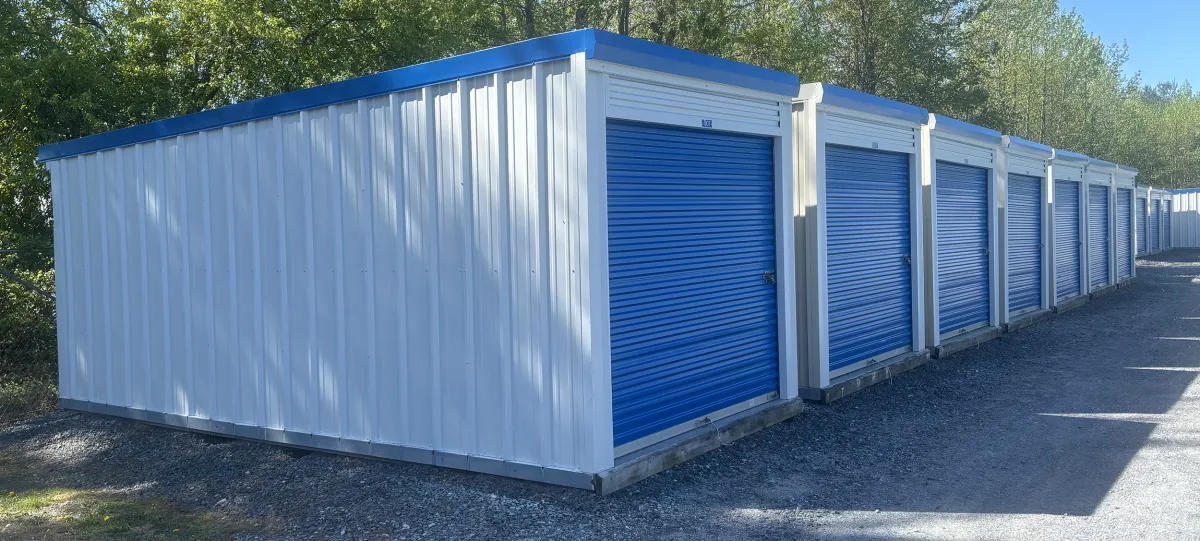
The SFPS galleries can help assess surface and appearance relevance. Ask for a comparable project’s documented scope if you need more context. SFPS’s five-year warranty is a separate contractual consideration; request the applicable written terms rather than assign the warranty an invented monetary benefit.
Turn the framework into a proposal request
Provide photographs, the condition baseline, your objectives and the options you want compared. Our process explains how to begin. A recently purchased facility can use acquisition painting and rebranding; a capital committee managing several sites can use portfolio painting planning. Request a scope discussion based on the work your property needs.