
A portfolio painting program starts with a common decision process, not an identical scope at every property. Different surfaces, levels of deterioration and tenant activity can require different work even when all sites share the same brand colors. This guide helps an ownership group organize those differences before requesting proposals from SFPS.
Create a location inventory that can be maintained
Give every property a site identifier and ownership contact. Record building types, approximate painted areas, door counts, office scope, current colors, known coating defects and access constraints. Pair overview photographs with close-ups labeled by building or elevation. An inventory is useful only if another decision-maker can understand where each observation belongs.
- Property identifier, address and on-site contact.
- Surfaces and condition observations, with dated photographs.
- Priority: deterioration, acquisition transition, rebranding or routine maintenance.
- Access windows, peak tenant activity and work-zone restrictions.
- Owner approvals, local requirements and dependencies on other trades.
Set priorities by condition and business need
Separate urgent repair dependencies from coating work that can be planned, and distinguish cosmetic brand changes from protective maintenance. A building with visible corrosion may need a different sequence from a sound building awaiting new colors. Ask the contractor to identify what needs further investigation rather than convert every photograph into a fixed-price assumption.
Standardize the decisions, document the exceptions
Establish a controlled color schedule, approved sample process, scope format and completion checklist. Record substrate-specific preparation and coating requirements at each site. Keep any departure from the portfolio standard visible: why it is needed, who approved it and how it changes scope or timing. A shared finish color should not conceal different preparation requirements.
Choose Colors With the Next Replacement Door in Mind
Color standardization should support future maintenance as well as the portfolio’s brand. SFPS recommends manufacturer-aligned standards that coordinate with common self-storage roll-up doors and building components. If a damaged door must be replaced later, a compatible factory-finished component may be available from the door supplier, reducing the need to mobilize a painting contractor solely to repaint one replacement door.
Use a shared color standard with a record of each location’s approved variations. Factory and field coatings need not be chemically identical, and coordinating colors do not guarantee an exact visual match: aging, fading, substrate, sheen and production batches can affect appearance. Confirm the replacement supplier’s available finishes before approving the specification. SFPS’s role is painting, coating, color planning and finish coordination; replacement-door installation belongs with the door supplier.
As a recommended closeout practice, retain a color record for each facility: location, color name and code, coating manufacturer and product, sheen, substrate or application area, completion date and reference photographs. Agree on responsibility for this documentation in the project scope.
Evaluate regional sequencing without promising savings
Locations close to one another can be reviewed together for travel and mobilization planning. Conditions, equipment, access and readiness still determine whether grouping makes sense. Request separate site pricing and an explanation of any proposed shared costs. Compare the total program and each location’s scope; do not assume a percentage saving from bundling.
Use nationwide project planning for geographic inquiries, and retain the existing regional grouping discussion as a related resource rather than replacing its URL.
Give the operating team a usable work plan
Define who can approve a site start, issue tenant notices, change a work zone and authorize extra work. Require the proposed sequence to account for gate access, emergency routes, deliveries and doors that must remain available. Weather or repair findings may change the sequence; agree on how updates reach regional managers and facility staff. Phased work is a planning approach, not a promise of uninterrupted access.
Close each site before closing the program
Agree on what completion records will include: approved colors, products used, condition findings, completed scope, exceptions, photographs and the owner’s review. Track unresolved items at the location level. SFPS offers a five-year warranty; request the applicable written terms and organize the records so each property’s owner can find them.
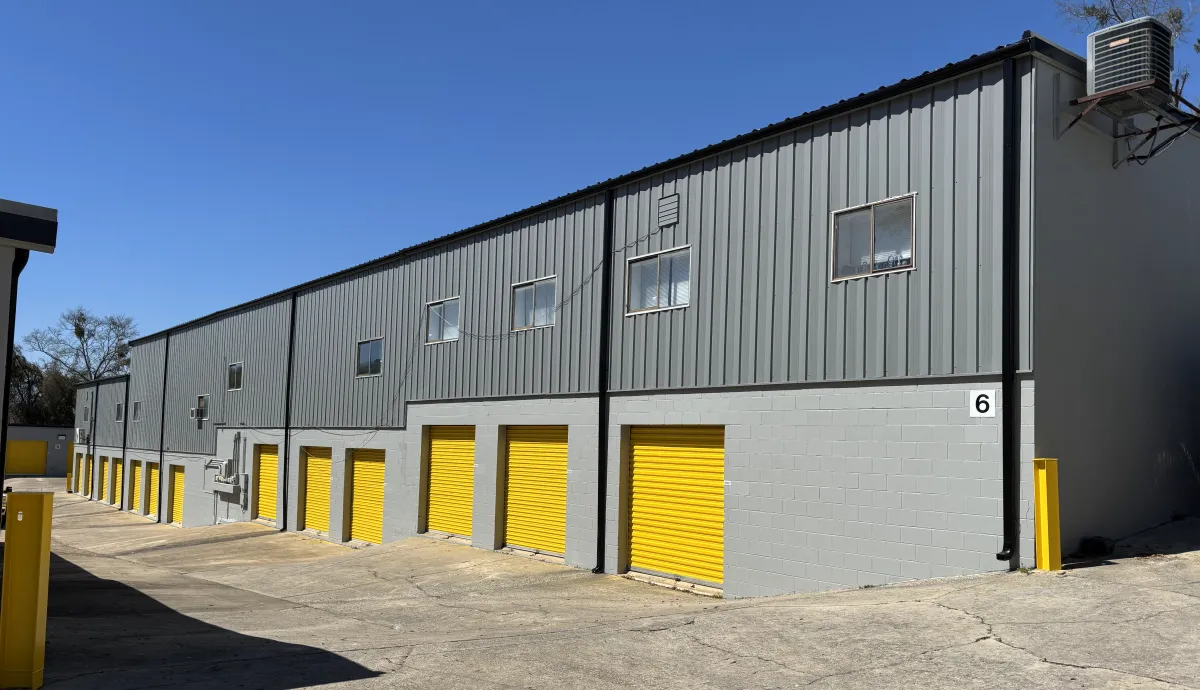
Prepare the portfolio brief
Send an initial location list, condition photographs, brand requirements, budget priorities and the decision schedule. See project photographs and the SFPS process when evaluating relevance to your sites. Recently acquired assets can begin with acquisition painting and rebranding; budget reviewers can use the ROI planning framework. Discuss your portfolio painting priorities.